
Ozempic Hair Loss: Why It May Happen and What to Do?
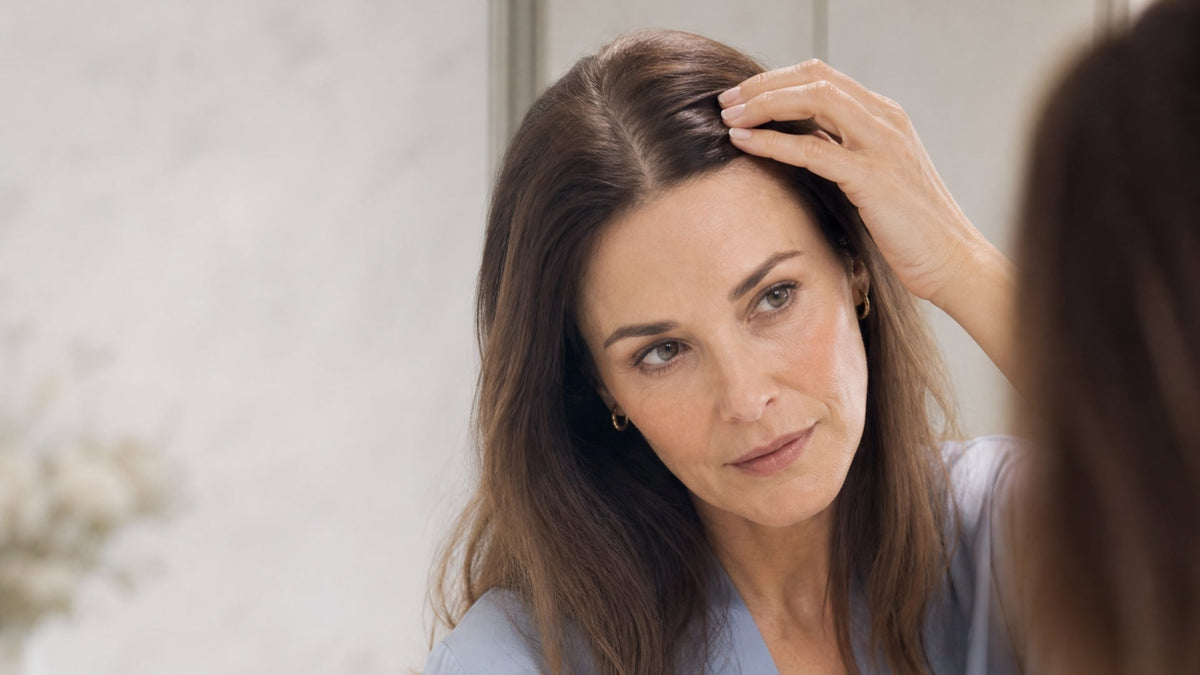
Weight loss may be going to plan, but your hair seems to be doing the opposite. A few months after starting Ozempic, Wegovy or another GLP-1 medicine, you may notice more hair in the shower, on your brush or around your home.
The timing may not be random. Hair shedding has been reported during GLP-1 treatment and after substantial weight loss. But the explanation is not as simple as “the medication causes hair loss”. Several factors may be involved, and more than one can be present at the same time.
In short: Ozempic hair loss can be linked to rapid or substantial weight loss, eating less protein or fewer nutrients, physical stress on the body, a possible medicine-related effect that researchers are still studying, or an underlying hair-loss condition that has become more noticeable. The best approach is not to choose between medical assessment and cosmetic care. Correct possible underlying triggers with your doctor while supporting the hair and scalp consistently during the months when visible recovery takes time.
Can Ozempic or other GLP-1 medicines cause hair loss?
Hair loss has been reported with GLP-1 medicines, but it does not affect most users and researchers have not established one single cause.
In European clinical trials of Wegovy, hair loss was reported by 2.5% of people receiving semaglutide compared with 1% receiving placebo. It was reported more often in people who lost at least 20% of their body weight. Most reported events were mild, and many people recovered while continuing treatment.1
A large observational study published in The BMJ in July 2026 also found a small increase in diagnosed non-scarring hair loss among adults with type 2 diabetes using GLP-1 receptor agonists compared with two other classes of diabetes medicine. The absolute risk remained low, and the study could show an association, not prove that the medicine directly caused every case.2
It is also worth knowing that Ozempic and Wegovy contain the same active substance, semaglutide, but they do not have the same approved use in the EU. Ozempic is authorised for adults with insufficiently controlled type 2 diabetes, while Wegovy is used for weight management in eligible patients.3
Why hair can shed after rapid or substantial weight loss?
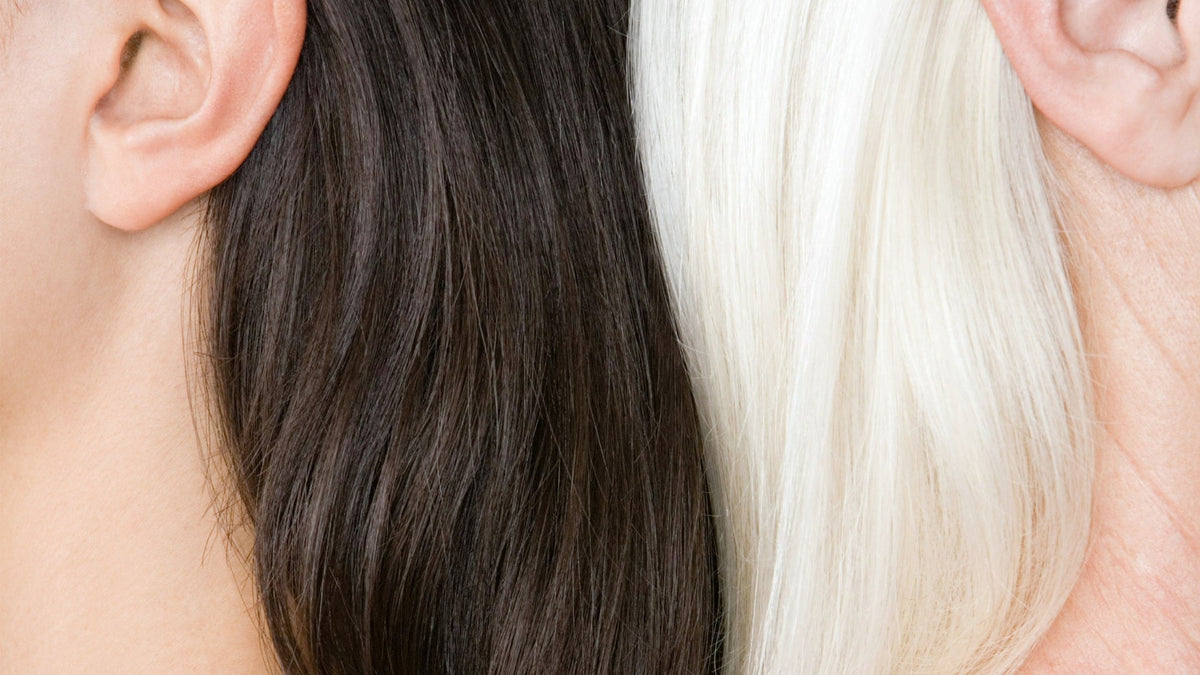
One possible explanation is telogen effluvium, a temporary form of diffuse shedding that can follow a major change or stress on the body. Most scalp hairs are normally in the growing phase. After a significant trigger such as rapid weight loss, illness, surgery, severe stress or a very restrictive diet more hairs than usual may move into the resting phase at around the same time. The increased shedding often becomes noticeable two to three months later. This delay is why the connection can be easy to miss. By the time hair starts falling, the weight loss or change in appetite may have begun months earlier.
GLP-1 medicines can also reduce appetite considerably. For some people, smaller portions mean lower overall intake of calories, protein, iron, zinc and other nutrients. That does not mean everyone taking a GLP-1 medicine will develop a deficiency. It means nutrition deserves attention when food intake changes significantly. Research also suggests that GLP-1-related hair loss is not always straightforward telogen effluvium. In some people, a period of increased shedding may reveal an underlying tendency to female- or male-pattern thinning that was already developing gradually.4
Who may be more likely to notice shedding?
There is no formula that predicts who will experience hair loss, but it may be more likely or more noticeable when:
- weight loss is substantial or happens quickly;
- appetite has fallen enough to make adequate nutrition difficult;
- protein or iron intake was already low before treatment;
- gradual thinning or a widening part was present before the weight loss;
- thyroid problems, hormonal changes, severe stress or another medical trigger is also present;
- several of these factors occur together.
Women appear to report GLP-1-related hair loss more often in some studies. For women in their 40s and 50s, weight-loss-related shedding may also overlap with perimenopausal changes or female-pattern thinning. This is one reason not to assume that every case has the same cause. Our guide to thinning hair after 40 explains these overlapping factors in more detail.4
There is also no proven weekly weight-loss cut-off that automatically causes shedding. A 2024 study of 140 patients diagnosed with telogen effluvium after weight loss found an average total loss of about 15% of body weight and an average rate of 3.54 kg per month. These were averages among affected patients, not a safe-versus-unsafe threshold.5
What to do if your hair starts shedding?
Do not stop prescribed medication on your own
Speak to the doctor who prescribed it. Hair shedding needs to be considered alongside the reason for treatment, the benefits you are receiving, the rate of weight loss and any other symptoms. A dose or medication decision should be made with the prescriber.
Ask whether medical assessment or blood tests are appropriate
Not everyone needs the same tests. Depending on your history and symptoms, a doctor may examine the scalp and consider blood count, iron stores, thyroid function or selected nutrients. Sudden, patchy, painful, inflammatory or persistent hair loss deserves professional assessment.
Make nutrition part of the treatment plan
When appetite is low, meals need to work harder. Getting enough energy and protein matters, but individual needs vary. A doctor or registered dietitian can help you build a realistic plan that works alongside GLP-1 treatment. Do not start high-dose iron, zinc, biotin or other supplements simply because hair is shedding. Supplements are most useful when a deficiency or clear need has been identified. Taking more is not automatically better.6
Be gentle with the hair you have
Avoid constantly tight hairstyles, aggressive brushing and excessive heat. These steps will not correct an internal trigger, but they can reduce unnecessary breakage while the hair is already feeling less full.
Start a consistent scalp-care routine
Correcting an underlying trigger is essential, but it does not address every visible concern on its own. Hair-cycle changes take time, and simply waiting can feel frustrating when you are seeing more shedding and less volume every day. A well-formulated leave-on scalp serum gives you a practical step you can take consistently. Its role is to care for the scalp, help reduce visible shedding and support fuller-looking, stronger-feeling hair while the underlying cause is being investigated or corrected. If you want to set realistic expectations first, read what a cosmetic scalp serum can and cannot do. Medical assessment and cosmetic scalp care are not competing approaches. For many people, the most sensible strategy is to do both at the same time.
Where WELAB BIOTECH fits into this routine?
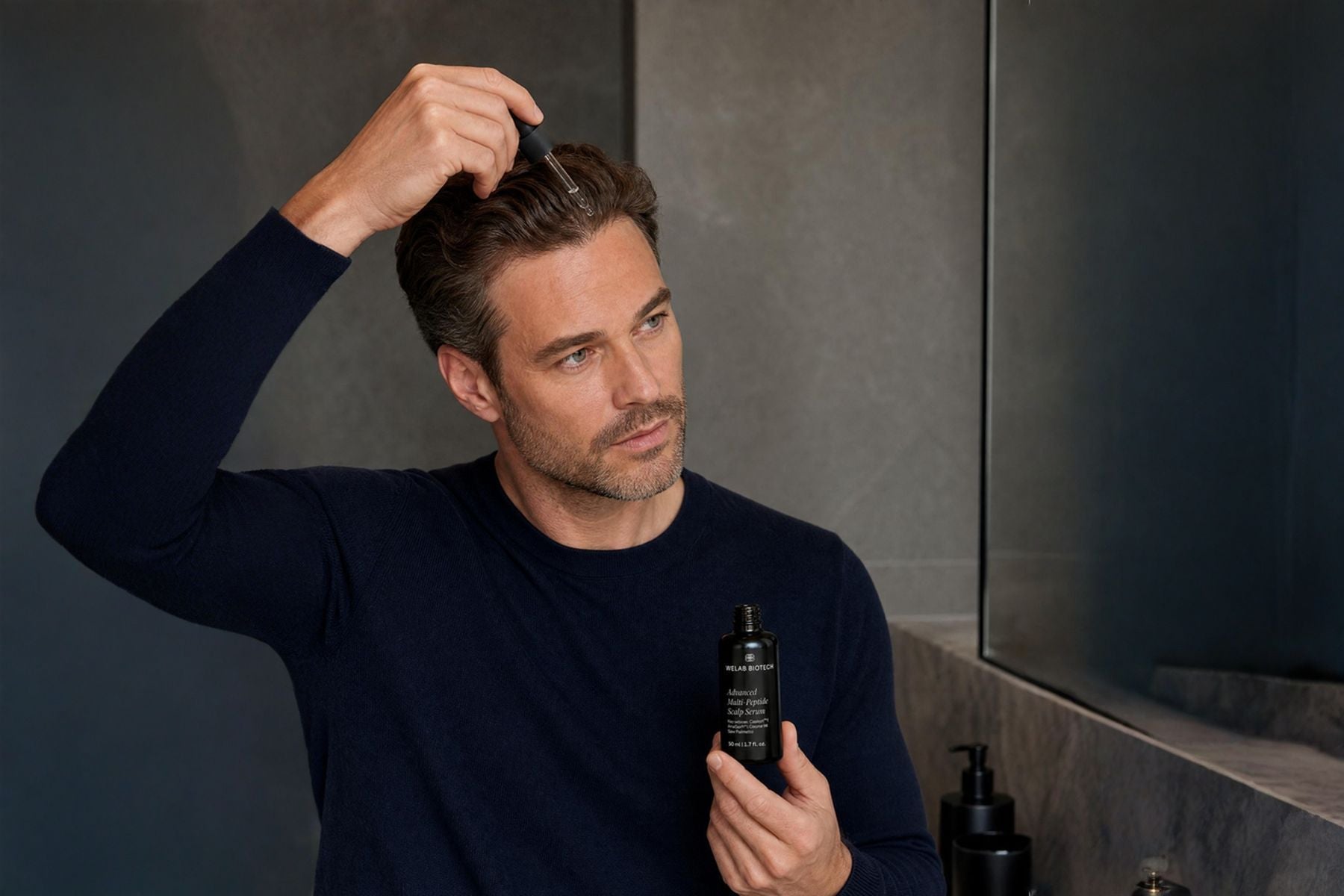
The WELAB BIOTECH Advanced Multi-Peptide Scalp Serum was developed for people concerned about visible hair shedding, thinning hair, reduced volume and scalp condition. The lightweight, once-daily leave-on formula combines Capixyl®, AnaGain™, a copper peptide, saw palmetto, Ectoin® and other selected peptide, botanical and biotechnology-derived ingredients. Rather than relying on one fashionable hero ingredient, it was designed as a multi-target cosmetic routine for thinning hair and scalp care.
In a 12-week consumer study of the finished formula involving 20 participants:
- 95% reported reduced hair loss and stronger-feeling hair;
- 90% reported fuller-looking hair and improved volume;
- 85% reported visible new baby hairs and an improvement in scalp condition.
These were participant self-assessments after consistent use of the finished serum. Individual results may vary. The formula was dermatologically tested and well tolerated by study participants with sensitive scalps.7
Although the study did not specifically enrol people using Ozempic, Wegovy or another GLP-1 medicine, its value here is different and practical: helping reduce visible shedding and supporting hair fullness, stronger-feeling hair and scalp condition as part of a consistent daily routine. If you are correcting nutrition, stabilising weight or investigating another trigger, WELAB BIOTECH gives you a targeted way to support the hair and scalp at the same time so you can take a consistent, evidence-led step while the hair cycle catches up.
Explore the WELAB BIOTECH Advanced Multi-Peptide Scalp Serum.
How long should you give your hair and scalp routine?
Hair changes are slow. Even after a trigger is corrected, hairs that have already entered the resting phase may still complete that cycle and shed. Reduced shedding may become noticeable before lost fullness is restored, and visible improvement can take several months. For a cosmetic scalp serum, 12 weeks of consistent daily use is a sensible first assessment point. It is not a promise that every person will see the same result by a fixed date. Take one photograph of your part and the areas that concern you each month. Use the same lighting, angle, distance and hairstyle. Monthly comparisons are usually more useful than counting hairs every day.
When should you see a doctor or dermatologist?
Seek professional advice if:
- hair loss begins suddenly or becomes severe;
- round or clearly defined bald patches appear;
- the scalp is painful, burning, very itchy, red or heavily flaky;
- the affected skin looks smooth or scarred;
- eyebrow, eyelash or body hair is also falling out;
- the part continues to widen;
- increased shedding continues for several months without improvement;
- you also have marked fatigue, unexplained symptoms or other health changes.
A cosmetic serum cannot diagnose or treat these causes. It can usually remain part of a gentle daily routine while the cause is being assessed, unless your healthcare professional advises otherwise.
Frequently asked questions
Does Ozempic hair loss go away?
If the shedding is telogen effluvium caused by rapid weight loss, reduced intake or another temporary trigger, it often improves after the trigger is corrected or stabilised. Shedding may settle within several months, while visible fullness can take longer to return. Recovery is not identical for everyone, especially when pattern thinning or another condition is also present.
Should I stop Ozempic if my hair is falling out?
Do not stop or change a prescribed medicine without speaking to your doctor. The decision depends on why you are taking it, how well it is working, the severity of the shedding and whether another cause can be identified.
How fast does weight loss need to be to cause hair shedding?
There is no proven cut-off. Faster or larger weight loss appears to be associated with more reports of shedding, but nutrition, age, hormones, genetics and individual susceptibility also matter.
Can a scalp serum help with hair shedding after weight loss?
A targeted scalp serum may help support scalp comfort and the appearance of fuller, stronger hair during periods of weight-loss-related shedding. It provides a consistent daily care step while nutrition, weight changes and other possible triggers are being addressed.
If low iron, inadequate protein intake or a thyroid condition is contributing to shedding, that cause needs appropriate attention as well. Scalp care complements this process; it does not correct the underlying deficiency or condition.
Will my hair return to its previous thickness?
Many people with temporary telogen effluvium see improvement after the trigger is resolved. However, recovery may be incomplete if weight loss has revealed female- or male-pattern thinning, thyroid disease, a deficiency or another ongoing cause. A dermatologist can help distinguish between these patterns.
The practical conclusion
Hair shedding during GLP-1 treatment does not mean your only option is to wait. A complete approach works from both directions:
- Identify and correct possible underlying triggers with your doctor, including the rate of weight loss, nutrition, iron status, thyroid function or another medical cause when relevant.
- Support the hair and scalp consistently with a targeted daily routine while visible recovery takes time.
WELAB BIOTECH Advanced Multi-Peptide Scalp Serum was created for that second part: to help reduce visible shedding, support fuller-looking, stronger-feeling hair and care for the scalp. Used once daily for at least 12 weeks, it gives you a structured, practical routine during the period when visible improvement takes time.
Discover the formula WELAB BIOTECH.
About the author
Alena Weissenbaeck is the founder of WELAB BIOTECH, an Austrian science-led hair and scalp-care company. She holds a Hair Practitioner Certificate from the International Association of Trichologists (IAT) and is continuing her education in trichology. Her work focuses on translating hair and scalp research into responsible, practical cosmetic care.
This article is for general educational information and does not replace medical advice, diagnosis or treatment. Speak to your prescribing doctor or a dermatologist before changing medication or treatment. Ozempic® and Wegovy® are registered trademarks of Novo Nordisk A/S. WELAB BIOTECH is not affiliated with or endorsed by Novo Nordisk.
Sources and further reading
- European Medicines Agency: Wegovy product information
- Tang H, et al.Risk of hair loss associated with GLP-1 receptor agonists in adults with type 2 diabetes. The BMJ. 2026;394:e100077.
- European Medicines Agency: Ozempic
- Gupta AK, et al. GLP-1 therapies and hair loss: a systematic review of current evidence and implications for counselling. Science Progress. 2026;109(2).
- Kang DH, et al. Telogen Effluvium Associated With Weight Loss. Annals of Dermatology. 2024;36(6):384-388.
- American Academy of Dermatology: Hair loss diagnosis and treatment
- WELAB BIOTECH. 12-week cosmetic consumer study of the finished Advanced Multi-Peptide Scalp Serum formula, 20 participants. Self-assessment, 2026. Data on file.


Leave a comment
This site is protected by hCaptcha and the hCaptcha Privacy Policy and Terms of Service apply.